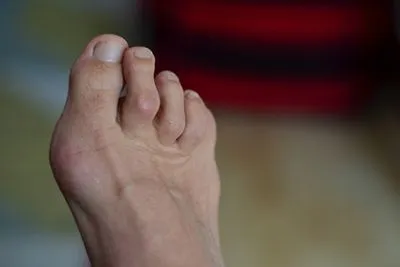
Hammertoes are a common foot condition that can cause discomfort and affect mobility. Recognizing the signs early and seeking appropriate treatment can help prevent the condition from worsening. You mustn’t ignore signs of hammertoes to ensure that complications don’t arise and that you can properly function while living with them.
Understanding Hammertoes
A hammertoe is a deformity of the second, third, or fourth toe, which bends at the middle joint, resembling a hammer. This abnormal curvature can cause pain, difficulty wearing shoes, and even affect your ability to walk comfortably. Hammertoes can be classified as flexible or rigid, depending on if the toe can still move at the joint.
There is no exact known cause of hammertoes, but issues can increase your risk of dealing with this condition. Common risk factors can include:
Ill-fitting shoes
Muscle imbalances
Genetic
Arthritis
Diabetes
Aging
Trauma to the foot
Common symptoms of hammertoes include:
Visible bending of the toe
Pain or irritation while wearing shoes
Corns or calluses on the top of the toe
Redness, swelling, or inflammation
Difficulty or pain while walking
To diagnose hammertoes, your podiatrist will assess your feet and look for signs of bending. Then, they can create a treatment plan to help ease any symptoms you may have. Treatment often starts with conservative measures, such as wearing proper footwear, orthotics, padding, or taping the toe. Your podiatrist may also recommend toe exercises to strengthen your muscles.